
February 5, 2026
How will your week actually look if you move to Lake Norman? If you juggle careers, kids’ activities, and a need for quick getaways, you want real answers, not glossy postcard shots. You deserve a clear view of commutes, lake access, and day-to-day convenience before you make a move. In this guide, you’ll learn how families really use the lake, where time gets tight, and which trade-offs matter most so you can choose a home that fits your life. Let’s dive in.
Lake Norman sits north of Charlotte and stretches across parts of Mecklenburg, Iredell, and Catawba counties. Towns most families explore include Cornelius, Huntersville, Davidson, and Mooresville, along with smaller lakeshore pockets like the Sherrills Ford area. Neighborhoods marketed as “Lake Norman” range from close-in suburban streets to more remote lakefront subdivisions.
You’ll find a mix of homes: high-end lakefront properties with private docks, established single-family neighborhoods with yards, newer master-planned communities with amenities, and townhomes or condos near retail hubs. Many move-up buyers trade smaller urban homes for more interior space and larger yards. If you want the lake at your doorstep, plan for a price premium and ongoing dock and shoreline costs where applicable.
Because the lake spans multiple jurisdictions, rules and services vary by town and county. Permitting for docks and shoreline changes, HOA restrictions, and municipal services can differ from one street to the next. Always verify requirements for the specific property you are considering.
Most north-to-south commuting runs along I-77 toward Charlotte employment centers like Uptown, SouthPark, South End, or University City. Drive times vary by exact starting point, destination, and rush-hour congestion. Many residents report ranges from a short drive to roughly a half-hour, with longer times during peak periods.
Public transit is more limited than closer-in Charlotte neighborhoods. Light rail does not extend across the full lake area, and bus or commuter options exist but are not as frequent as urban transit. Many households rely on private vehicles and coordinate carpools for kids’ activities.
Weekday evenings run tight when you’re juggling two commutes, aftercare, and sports. Outside rush hours, travel time is more predictable, which can help if you have flexible or hybrid schedules. Many families use late afternoons for short lake outings and save longer trips for weekends.
State and municipal parks around the lake offer trails, picnic spaces, and boat launches. These spots are popular for paddling, fishing, and quick family time when you do not have a dock. They also work well for beginners and occasional users who want low-commitment access.
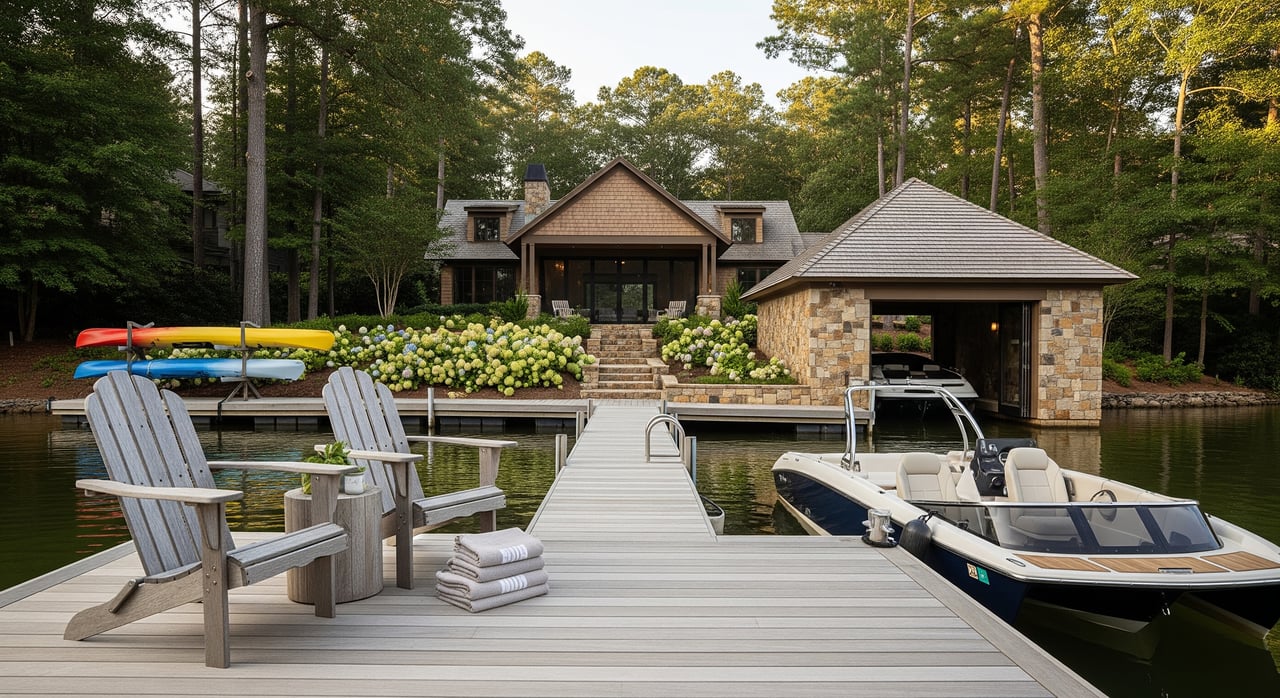
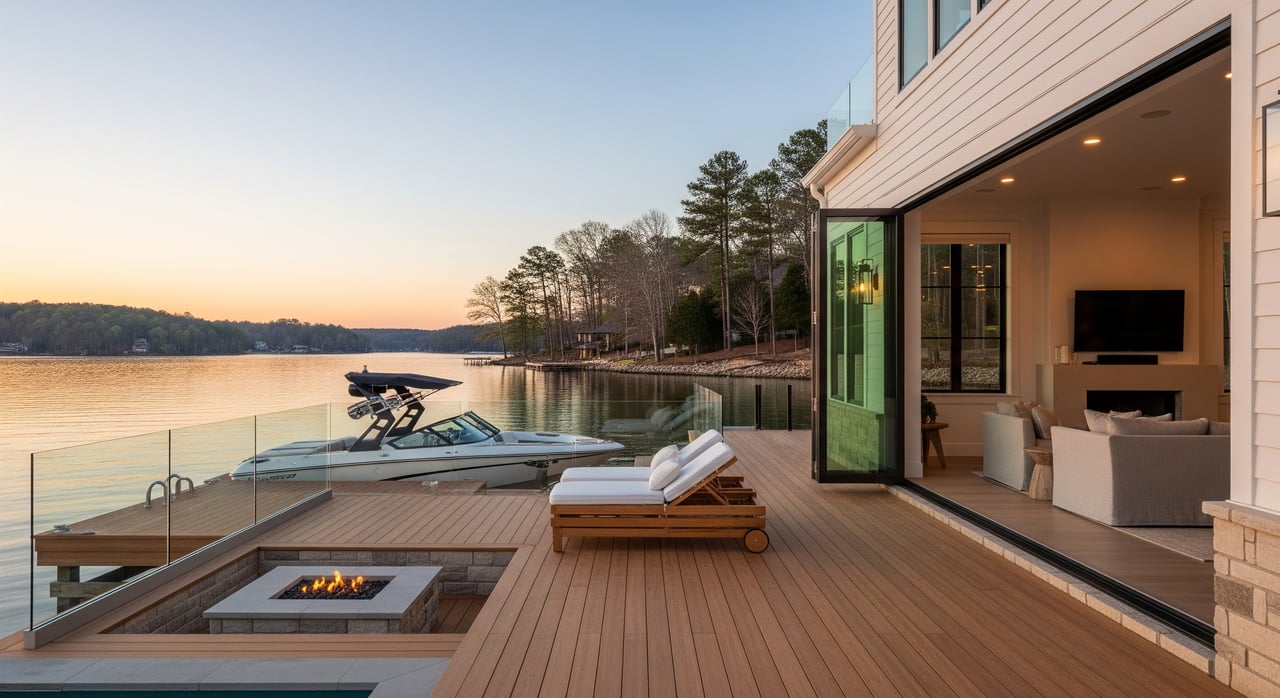
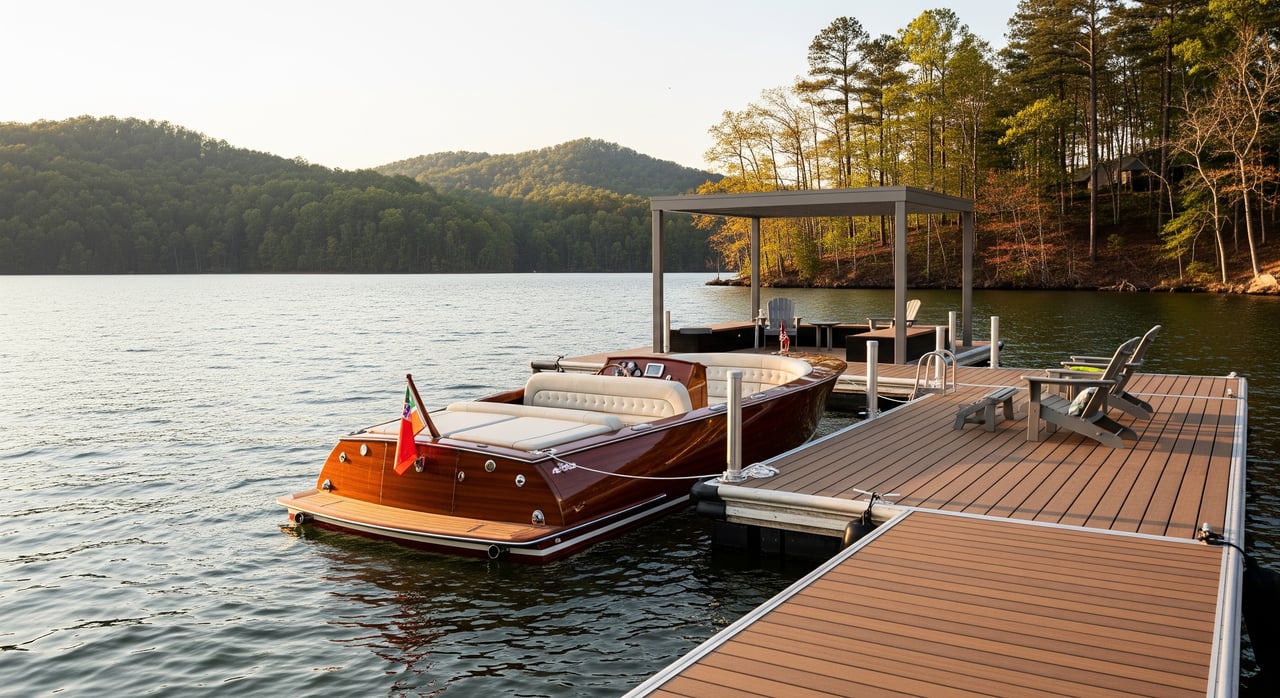
Some lakefront homes have private docks, while many neighborhoods offer community marinas or deeded access. This is a key differentiator if you want frequent, easy water time. If you are considering a property with a dock, verify the permit history, current rules, and any HOA guidelines for shoreline use and modifications.
Commercial marinas offer slips, rentals, lessons, maintenance, and winter storage. If you want lake time without dock ownership, a marina slip or rental can be a smart compromise. It reduces upkeep while keeping you close to the water during peak season.
Boat ownership brings fuel, storage, and maintenance costs. Dock upkeep and shoreline care also add to the budget for lakefront homes. Many neighborhoods designate safe swim areas and have community rules for children at docks. Consistent supervision and life jackets for kids are standard family practices.
You’ll find grocery stores, pharmacies, coffee shops, and dining concentrated in Cornelius, Huntersville, Davidson, and Mooresville. Larger retail centers are generally a short drive for most neighborhoods. Lakefront restaurants and casual spots with outdoor seating are popular for weekend meals.
Hospitals and urgent-care clinics from major regional systems are typically within 15 to 30 minutes of many lake communities. Access times vary by distance and local traffic, so it helps to map your nearest options when you tour neighborhoods.
Daycare centers, preschools, and after-school programs are common in population centers. Youth sports and enrichment classes are a major part of family schedules, and most require driving. Many parents use carpools and shared calendars to manage weeknights.
Newer subdivisions and town centers generally have strong broadband options, including cable and in some areas fiber. Speeds and provider choices can vary by neighborhood, so check address-level service before you commit. A dedicated home office and reliable cell coverage are smart priorities if you work hybrid or remote.
Most families fit in short outings during the week. Think sunset boat rides, quick paddleboard sessions, or an hour on a community dock after work. These small windows help you unwind without losing your entire evening.
Saturdays often revolve around chores, grocery runs, and kids’ sports, mixed with a half-day on the water or a park visit. Sundays might include a morning cruise, yard projects, and meal prep for the week. Town events, farmers markets, and seasonal festivals add low-stress outings when time allows.
Use this checklist to evaluate how Lake Norman fits your week and budget.
If you thrive on outdoor time and you want room to spread out, Lake Norman can be a strong match. Your success will come from picking the right neighborhood, verifying access and permits, and planning commute windows that fit your work life. Many dual-income families find a sweet spot by choosing community dock access or a marina slip while living near retail centers for weeknight convenience.
If you want help weighing property options and trade-offs by address, a strategic approach will save you time and stress. With clear criteria, you can focus on homes that deliver the lake lifestyle you want without adding unnecessary friction to your weekdays.
Ready to evaluate specific neighborhoods, access types, and commute patterns with a plan that fits your budget and routine? Connect with Layla Cannon to map the best options and Book a Meeting today.
Stay up to date on the latest real estate trends.

Get assistance in determining current property value, crafting a competitive offer, writing and negotiating a contract, and much more. Let me guide you through your home-buying journey.
Layla Cannon
2970 Patterson Rd China Grove NC 28023 106 Langtree Village Dr #301 Mooresville NC 28117