
December 18, 2025
Thinking about buying a home on High Rock Lake and picturing mornings on your own dock? Before you fall in love with the view, make sure the dock is safe, compliant, and truly yours to use. Lake homes come with extra steps, and docks add another layer of permits, inspections, and rules that can affect value and enjoyment. This guide walks you through the essentials for High Rock Lake, so you avoid surprises and buy with confidence. Let’s dive in.
High Rock Lake is a reservoir that supports hydroelectric operations. Water levels can shift based on the project operator’s schedule and rainfall. That means dock design and placement matter more here than on a small private lake.
Floating docks may ride changes better, while fixed docks can feel impact from drawdowns and storms. Before you buy, learn how water levels have moved over time in the area you’re targeting. Ask the current project operator about typical seasonal changes and historic extremes.
Multiple authorities may oversee the dock you see from the shoreline. Understanding who does what helps you verify the right permits and plan future upgrades.
Local planning, zoning, and inspections departments enforce building codes, shoreline setbacks, floodplain rules, and septic setbacks. High Rock Lake spans multiple counties, so make sure you contact the correct county for the parcel you are buying.
Homeowner associations and lakefront subdivisions may limit dock size, materials, or slip use. Private covenants and easements can control where a dock sits and who can use it. Riparian rights depend on deed language and recorded easements, so have a title company, surveyor, or attorney confirm those rights for your specific parcel.
Different dock styles perform differently on a hydro lake. Match the dock to the way you plan to use the water.
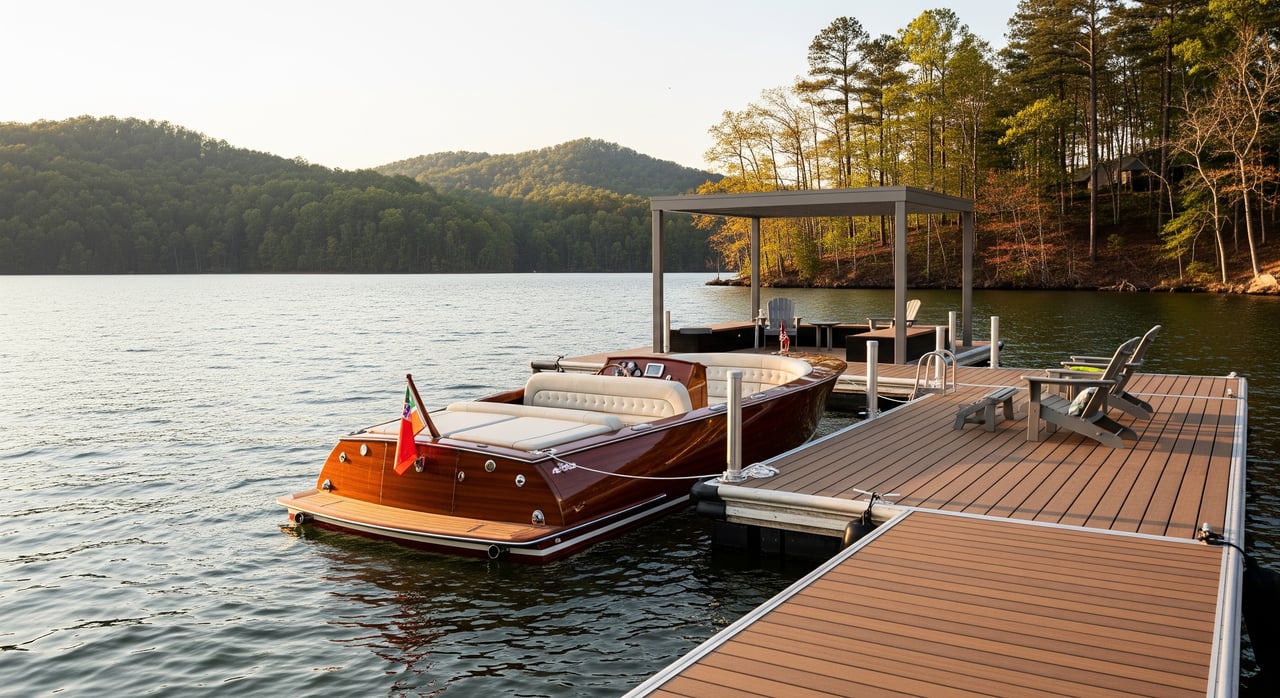
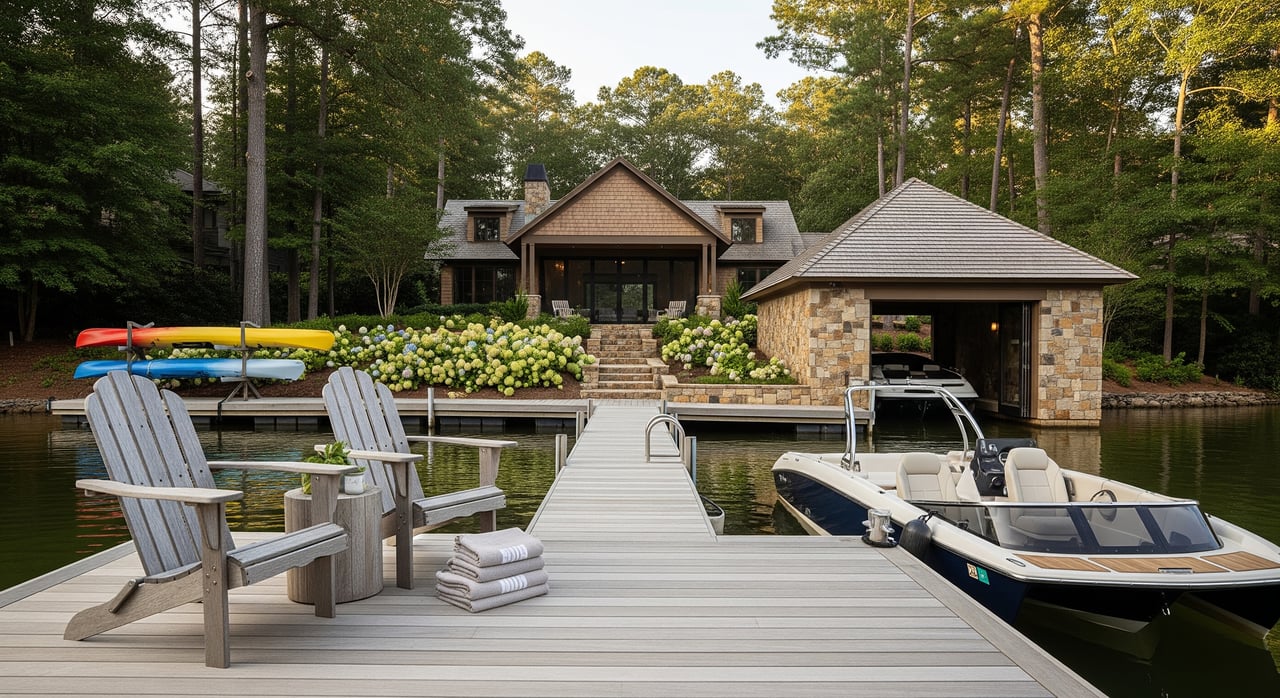
Floating docks rise and fall with the lake. They are easier to adjust and can be added or removed more simply. They need a strong anchoring system sized for wind and wake. Inspect the flotation and anchoring hardware for wear.
Fixed docks sit on piles or posts. They feel sturdy but can be affected by water level swings and storms. These builds may trigger deeper structural permitting. Inspect piling integrity, connections, and elevation above normal water level.
Portable docks can be installed for warm months and removed in winter. Some designs reduce exposure to storms and ice, depending on local rules. Ask about any seasonal conditions that apply to installation or removal.
Lifts and covers protect your boat but may require extra approvals. HOAs often set limits on roof types, slip count, and accessories. Confirm approvals before you assume that a lift or cover can be added post-close.
The same dock can require several approvals. Treat permits like you would a septic or well record and verify them early.
Counties can require building permits, inspections, setback compliance, and floodplain documentation. Septic setbacks can limit where walkways and docks are placed. Ask the county to confirm whether the existing structure passed inspections and is on record.
Depending on the site and the scope of work, you may need state authorization from the NC Department of Environmental Quality and in some cases a U.S. Army Corps of Engineers permit. If work affects wetlands or certain waters, expect more review and time.
The reservoir operator may require separate shoreline approvals, limits on anchoring, and mooring registration. These rules can affect dock length, slip count, and how far a structure extends into the water.
HOAs or dock associations often control design, slip assignment, and maintenance. Recorded easements can define who has access and how a dock is used. Make sure approvals match the dock on site and your intended use.
Local permits can take weeks. State or federal applications can add months if environmental review is required. Fees vary by jurisdiction and application type, so build a time and fee contingency into your plan.
Use this step-by-step checklist to reduce risk and keep your closing on track.
A professional dock inspection is as important as a home inspection on the lake. Ask for a written report that covers structural integrity, corrosion, flotation condition, and anchoring or mooring systems. If there is power at the dock, require verification of code compliance and safe installation.
Water depth is critical. Confirm typical and low water levels near your property so your boat can clear safely. Ask the inspector about shoreline erosion, buffer requirements, and any repairs that could be required under local rules.
To protect your interests, use permit verification, inspection results, and insurance confirmation as contingencies. You can ask the seller to resolve deficiencies, credit you for repairs, or escrow funds until compliance is documented.
Start by confirming your parcel’s riparian rights and any recorded easements. Then speak with county permitting, NCDEQ, and the reservoir operator to understand required approvals and design limits. A licensed marine contractor can help you design a dock that fits water-level changes and local rules.
Expect size limits, setback requirements, and potential restrictions on covered structures or accessories. Some lakes require designs that reduce shade and protect aquatic vegetation. Build time into your schedule for reviews and inspections.
Timeframes vary. Local approvals can be relatively fast, while state and federal reviews can add months, especially if wetlands or water quality concerns are involved. Fees also vary, and HOA reviews have their own schedules.
Budget a time and permit-fee contingency. If a dock is central to your purchase, consider requiring the seller to begin needed applications before closing or escrow funds until approvals are confirmed.
With the right steps, you can enjoy High Rock Lake without surprises. If you want a strategy that covers permits, inspections, timelines, and negotiation points, connect with a local advocate who understands lake transactions and Rowan County markets. Book a meeting with Layla Cannon to map your plan and move forward with confidence.
Stay up to date on the latest real estate trends.

Get assistance in determining current property value, crafting a competitive offer, writing and negotiating a contract, and much more. Let me guide you through your home-buying journey.
Layla Cannon
2970 Patterson Rd China Grove NC 28023 106 Langtree Village Dr #301 Mooresville NC 28117