
April 2, 2026
If you want top-dollar attention for your Concord home, hoping the market will do all the work is not a strategy. In a market where buyers have options, the homes that stand out tend to be the ones that feel clean, complete, and ready from day one. If you are planning to sell, a smart prep plan can help you protect your leverage, reduce friction, and make a stronger first impression. Let’s dive in.
Concord is not acting like an extreme seller’s market where almost anything will sell fast. Recent market data points to a balanced to somewhat competitive environment, with Redfin reporting a median sale price of $372,000, 87 median days on market, and a 98.5% sale-to-list ratio in February 2026. A separate Realtor.com market summary shows different figures, but the same general story: pricing, presentation, and condition still matter.
That matters even more in a growing city. According to the City of Concord demographic profile, Concord’s population estimate reached 115,053 in late 2025, with 44,726 housing units. Growth can support demand, but it also means your listing may compete with a wider range of homes.
Buyers are still active, but first impressions count. Canopy MLS regional reporting showed Concord averaging 12.2 showings per listing in 2025, which suggests buyers are looking closely. If your home is going live soon, the goal is simple: make those early showings work for you.
In Concord, the first week or two can shape the rest of your sale. Based on current days-on-market trends, sale-to-list ratios, and buyer activity, the strongest approach is to launch only after your home is fully prepared. That means repairs are handled, disclosures are organized, and your listing media is ready to compete online.
This is where a strategic sale starts. Instead of reacting to buyer feedback after the home is listed, you want to solve the most visible issues before the first showing. That gives you a better chance of attracting serious interest while your listing is still fresh.
Not every pre-sale project needs to be large or expensive. In fact, the updates that often matter most are the ones buyers notice right away. The 2025 NAR Profile of Home Staging found that sellers’ agents most often recommend decluttering, whole-home cleaning, curb appeal improvements, painting walls and touch-ups, minor repairs, carpet cleaning, and depersonalizing.
That list is a helpful filter when deciding where to spend time and money. If something looks neglected, dated, or unfinished, buyers may assume there are larger issues behind it. Small fixes can make your home feel better maintained and easier to say yes to.
These items may seem minor on their own, but together they shape how buyers read the home. A clean, well-kept property often feels more move-in ready, even before a buyer studies the details.
A strategic sale in North Carolina is not just about looks. It is also about paperwork, timing, and accuracy. Most residential sellers in the state must provide a Residential Property Disclosure Statement under Chapter 47E, and when applicable, an Owners’ Association and Mandatory Covenants Disclosure Statement plus a Mineral and Oil and Gas Rights Mandatory Disclosure Statement, no later than when the buyer makes an offer.
If required disclosures are not delivered on time, the buyer may have the right to cancel the contract. That is a preventable problem, which is why it makes sense to gather documents well before your listing goes live.
The disclosure form itself also changed recently. As explained in the North Carolina Real Estate Commission bulletin, the revised form effective July 1, 2024 includes more detailed flood-related questions. Sellers are expected to answer based on actual knowledge using the form’s Y, N, NR, and NA format.
If your property is subject to an owners’ association or covenants, start pulling those records now. Under North Carolina law for HOA disclosures, the disclosure can include:
Getting this together early can help you avoid delays once negotiations begin. It also signals that your sale is organized and professionally managed.
Disclosures are not a one-and-done task. The North Carolina Real Estate Commission notes that sellers should promptly correct a disclosure if they later learn of a material inaccuracy, and brokers also have separate duties around material facts. That makes your records useful from both a practical and negotiation standpoint.
Try to gather key documents in one place before listing. Helpful items can include repair receipts, service invoices, warranty information, inspection reports, and any notes tied to recent work. When questions come up, clear documentation can help keep the deal moving.
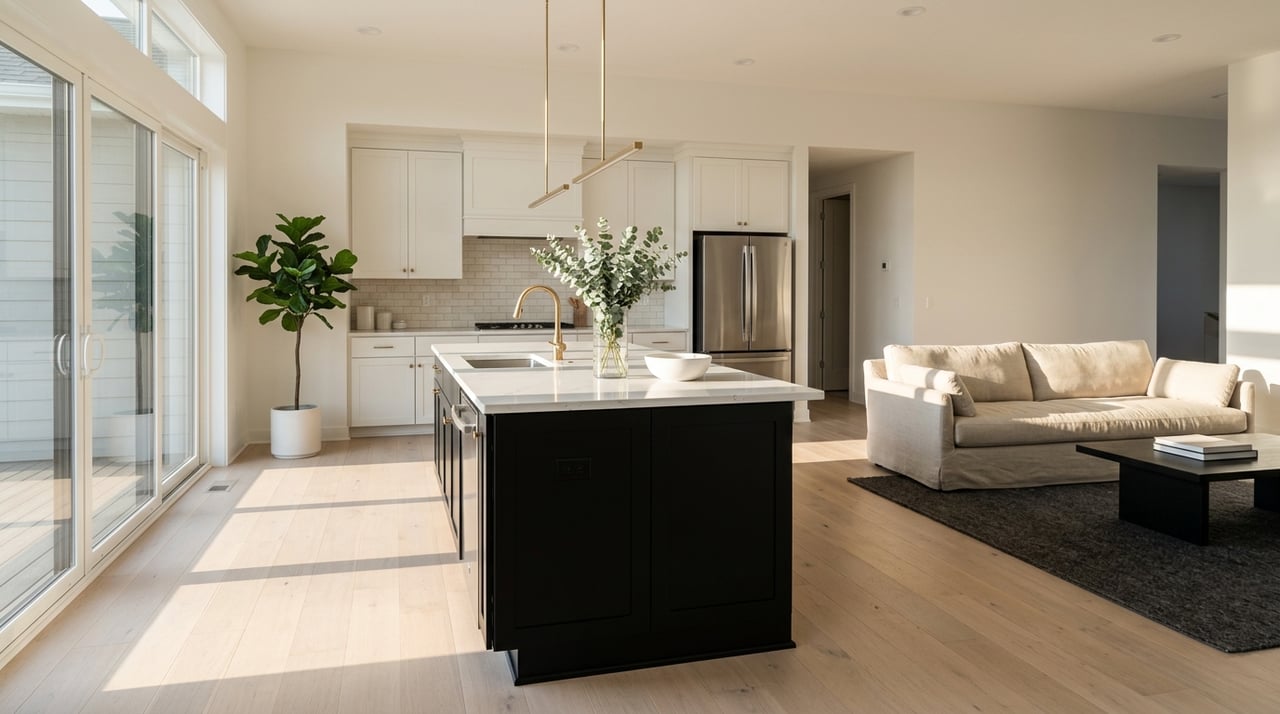
Staging does not have to mean transforming your home into something unrecognizable. In fact, the most effective approach is usually simpler than that. The NAR staging report found that buyers’ agents say staging helps buyers visualize the property as a future home, with the living room, primary bedroom, and kitchen ranked as the most important spaces to stage.
That is useful because it helps you focus your effort. If you are not staging every room, start with the areas that shape the buyer’s emotional first impression and daily-living picture.
The goal is not perfection. The goal is to help buyers understand the space quickly and positively.
The same report also found that 49% of sellers’ agents said staging reduced time on market, while 29% said it increased the dollar value offered by 1% to 10%. That does not mean every home needs the same level of staging, but it does support staging as a reasonable investment when the property is otherwise sale-ready.
Too many sellers treat photos as the final checkbox. In reality, photography should shape your entire prep timeline. According to the NAR staging report, buyers’ agents rated listing photos as highly important, along with physical staging, videos, and virtual tours.
Your home needs to look strong online before a buyer ever books a showing. That means cleaning, decluttering, staging, and curb appeal work should all be completed before photo day. The listing should look just as polished on a screen as it does in person.
A measured, realistic presentation usually works best. The NAR report also noted that many people have unrealistic expectations from TV-style home makeovers, which supports a restrained approach that fits the home’s actual size, condition, and price point.
Preparing your home for sale is partly about appearance, but it is also about numbers. If you are thinking strategically, you should look beyond list price and keep your likely net in mind from the beginning.
One cost North Carolina sellers should remember is the state excise tax on conveyances. Under North Carolina General Statute 105-228.30, the tax is $1 per $500 of consideration or value and is paid by the transferor before recording. It may not be the biggest line item in your closing costs, but it is part of the full picture.
If you want to simplify the process, focus on the steps that create the most leverage early. In a balanced to somewhat competitive Concord market, your best advantage often comes from being ready before the listing hits the market.
Here is the practical game plan:
That kind of preparation helps you avoid the common cycle of price reductions, rushed fixes, and preventable buyer objections. It also puts you in a better position to negotiate from strength.
Selling well in Concord is not about doing everything. It is about doing the right things in the right order. If you want a clear, data-informed plan for pricing, preparation, and launch timing, Layla Cannon can help you build a sale strategy that supports your goals.
Stay up to date on the latest real estate trends.





Get assistance in determining current property value, crafting a competitive offer, writing and negotiating a contract, and much more. Let me guide you through your home-buying journey.

Layla Cannon
2970 Patterson Rd China Grove NC 28023 106 Langtree Village Dr #301 Mooresville NC 28117